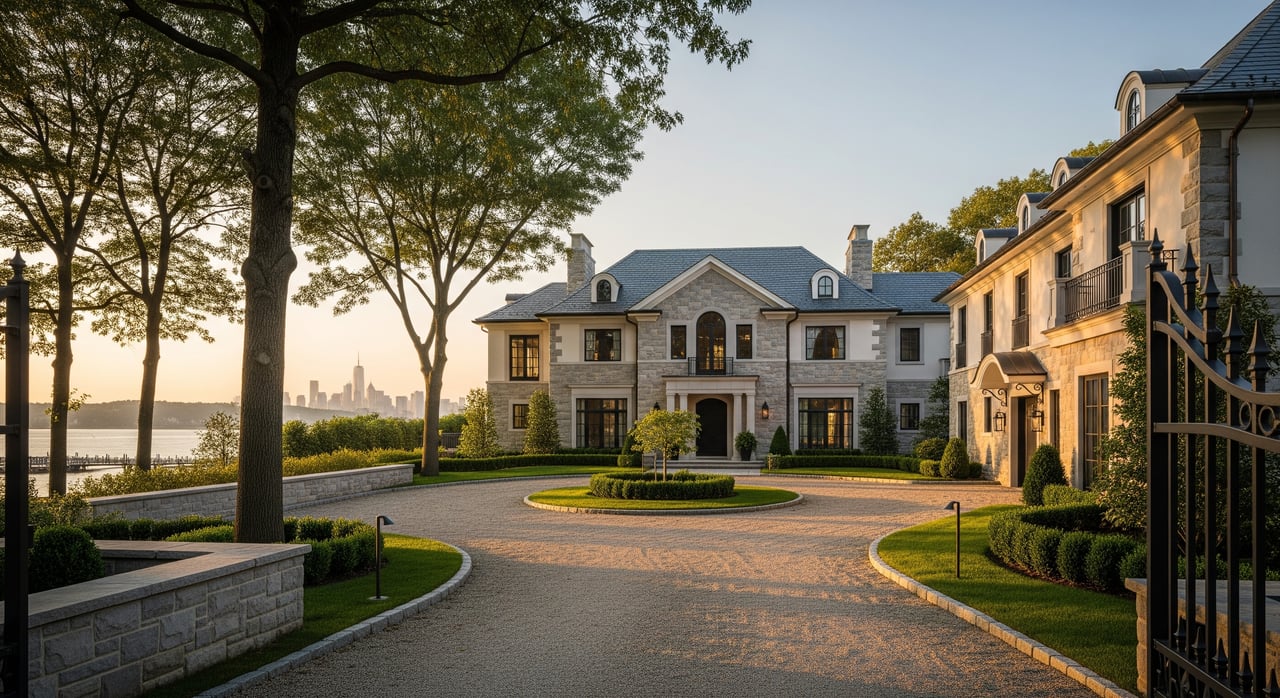
Jumbo Loans in Alpine, NJ: What Buyers Need to Know
Shopping for a home in Alpine can put you in jumbo-loan territory fast. Prices and property types here are unique, and the financing can be too. If you understand how jumbo loans work, you can plan your offer, paperwork, and timing with confidence. In this guide, you will learn how to tell if you need a jumbo, what lenders expect, and how Alpine’s market can shape your strategy. Let’s dive in.
A jumbo loan is a mortgage that exceeds the Federal Housing Finance Agency’s conforming loan limit for your county and year. Conforming loans are designed to meet Fannie Mae and Freddie Mac guidelines. When your loan amount is higher than the county’s limit, it becomes a jumbo and is financed by banks, non-bank lenders, or private investors with their own risk rules.
In a market like Alpine, many single-family estates sit well above the local limit, so jumbo financing is common. That is why it pays to understand the differences early.
To find out, compare your expected loan amount to the current conforming limit for Bergen County. Take the purchase price and subtract your planned down payment. If the result is over the county limit for the year you apply, you are in jumbo territory.
If you want to avoid a single large jumbo, you can explore a piggyback structure that combines a first mortgage and a second lien. That setup changes your effective exposure and may affect pricing and documentation. Limits and rules change every year, so verify the current number when you go under contract or submit your application.
Jumbo underwriting is often more conservative than conforming. Expect stronger credit, tighter ratios, and more assets on hand.
Conforming loans can allow smaller down payments with mortgage insurance. Jumbos usually expect more equity up front. Many products start around 10 to 20 percent down for standard approvals, and some programs require 20 to 30 percent or more depending on your profile and the property.
Jumbo financing is full-document. Plan to assemble materials early so you can move quickly when the right home hits the market.
Lenders verify that your down payment funds are seasoned and sourced. Be ready to document where money came from and when it hit your accounts. Many jumbo lenders allow gift funds, but they can require a borrower contribution from your own assets, and gift rules vary.
Reserves often need to be in liquid or near-liquid accounts, such as checking, savings, or brokerage. Retirement accounts can count, sometimes at a discounted value. Some lenders may use asset-depletion methods for qualifying. Always confirm what your chosen lender accepts.
Different jumbo products fit different buyer profiles and goals.
Jumbo rates can be higher or similar to conforming, depending on market conditions, investor demand, and your profile. Borrowers with excellent credit, low loan-to-value, and strong reserves often find competitive pricing. Those near maximum loan sizes or with complex income may see a premium.
Discuss points and lock strategy early. On a high-balance loan, a small rate change or a point can translate into a large dollar impact. Ask about lock lengths and any float-down options if rates improve before closing.
Alpine’s estates often feature custom construction, large lots, guesthouses, and unique amenities. These features can complicate appraisal and timelines.
Appraisers may have fewer recent comparable sales to work with, which can extend the process or lead to a second appraisal or valuation review. Functional value adjustments for pools, auxiliary buildings, or acreage can be significant. If an appraisal comes in below contract price, be ready to negotiate or adjust strategy, including appraisal gap planning.
Bergen County property taxes and homeowners insurance are often higher than national averages. Your lender will include these in your monthly payment and your reserve requirement. Build realistic estimates into your budget so there are no surprises.
Because many Alpine buyers work in or around New York City, income can include bonuses, RSUs, or other non-W2 compensation. Expect additional documentation and possibly multi-year averaging for variable pay. Partner with a lender who understands Alpine comparables and the way high-end suburban deals are structured.
A clear plan can help you win the home and close smoothly.
Aim for a full written preapproval, not just a quick prequalification. If available, ask about pre-underwriting or a conditional approval to show sellers you are ready to close.
Compare quotes from multiple jumbo lenders, including national banks, private banks, and specialized mortgage brokers. Evaluate not only rates and fees but also underwriting overlays such as required reserves and documentation.
If you must sell a high-value home to buy in Alpine, start that conversation early. Bridge financing or well-structured contingencies take coordination among your lender, attorney, and agent.
Buying in Alpine requires decisiveness and precision, especially with jumbo financing. If you get your documents organized, line up the right loan structure, and plan for appraisal and timing, you can compete confidently on the best properties.
Ready to craft a winning plan for Alpine? Speak with Roi Klipper for hyperlocal guidance, discreet access, and a clear strategy from offer to close.
Stay up to date on the latest real estate trends.

Start your journey towards your dream home today! Subscribe now for exclusive access to expert insights, insider tips, and the latest property listings. Don't miss out on the opportunity to make informed real estate decisions. Subscribe to our newsletter now!