Is now a smart time to buy or sell in Ridgewood? With rates shifting and headlines changing week to week, it can feel hard to read the market. If you want a clear, local view, you are in the right place. In the next few minutes, you will learn how inventory, list-to-sale behavior, price bands, seasonality, and negotiation levers are shaping outcomes in Ridgewood today. Let’s dive in.
Ridgewood market snapshot
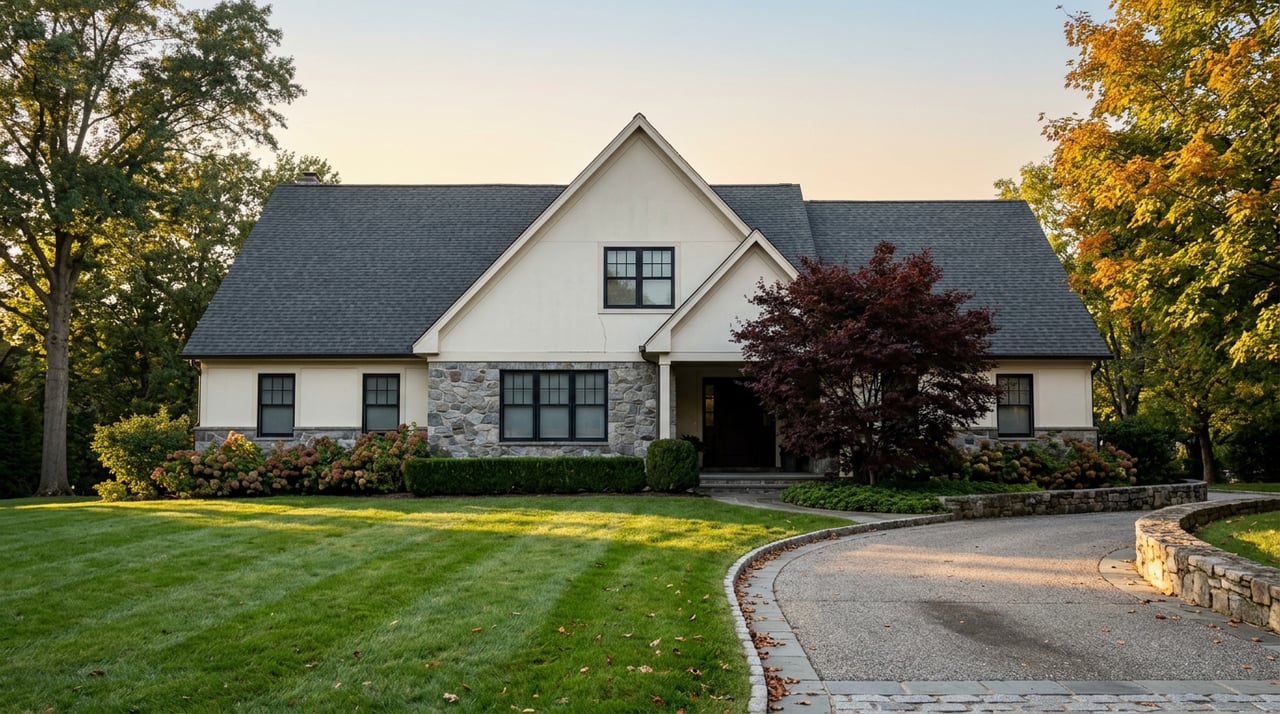
Ridgewood sits within the New York City metro and offers commuter rail access, a walkable village center, and a mix of character homes. These fundamentals tend to support steady demand even when broader markets cool. Since the 2020–2021 peak, higher mortgage rates have reduced bidding wars in many suburbs, but sought-after towns with transit and amenities have generally held up better than outlying areas.
What does that mean for you? Ridgewood remains competitive in the right micro-segments, especially for well-priced single-family homes near transit and the village core. Pricing, condition, and timing still make a measurable difference, and outcomes vary by price band.
What inventory is doing now
Ridgewood typically runs on lower turnover because many owners stay for years. That creates naturally tight supply. When new listings do come on, the response depends on the price band and condition of the home. Upper-tier homes can see a smaller pool of active buyers, while approachable price points often draw quick interest.
Two market features to keep in mind:
- Low baseline supply means well-prepared sellers can capture attention quickly.
- Upper-end sensitivity to rates can slow velocity and widen negotiation room for larger homes.
How to read the numbers
You will hear a few core metrics in local reports. Here is what they mean for you:
- Active inventory: Homes available now. Fewer listings mean tighter competition for buyers and a stronger position for sellers.
- Months of inventory (MOI): Active listings divided by monthly sales. Under 3 months often indicates a seller’s market. Three to six months is more balanced. Over 6 months favors buyers.
- Days on market (DOM): How fast homes go under contract. Shorter DOM signals stronger demand, longer DOM suggests either overpricing or a smaller buyer pool.
- List-to-sale price ratio: Final sale price compared to original list price. Numbers near or just below 100 percent suggest modest concessions, while lower ratios indicate more room to negotiate.
List-to-sale trends by price band
The Ridgewood market is not one-size-fits-all. Behavior changes by segment. The exact cut points shift over time, so treat these as general guidelines and verify with current local data.
Entry and value segment
- Typical behavior: Faster sales for well-presented homes, especially near transit and village amenities. Smaller discounts relative to list price.
- Buyer tips: Be fully pre-approved, tour quickly, and be ready with a strong, clean offer. Consider flexible closing timelines to stand out.
- Seller tips: Price to the most recent comparable sales, invest in basic prep and presentation, and offer clear disclosures to streamline inspections.
Primary and mid market
- Typical behavior: Generally balanced. Homes in desirable blocks move when priced to recent comps. Condition and updates matter.
- Buyer tips: Anchor your offer to neighborhood comparables. Use inspections to target specific repairs or credits rather than broad requests.
- Seller tips: Highlight commute options and everyday convenience. Small credits at closing can be more effective than large price cuts if feedback centers on updates.
Upper and luxury tier
- Typical behavior: Slower velocity and more negotiation room. Buyers can be more rate sensitive, so demand ebbs and flows with financing conditions.
- Buyer tips: Study days on market for similar homes, negotiate on contingencies and closing timelines, and use inspection findings to secure targeted adjustments.
- Seller tips: Be patient on pricing and market exposure. Target marketing to out-of-area and relocation buyers, and consider flexible terms for qualified buyers.
Local factors to consider
- Home age and due diligence: Many Ridgewood homes are older, which means you should pay attention to mechanical systems, roofs, foundations, and possible historic district guidelines that affect renovations. Pre-list inspections can reduce surprises for sellers, while buyers should budget for focused inspections.
- Property taxes: Taxes are a key part of monthly affordability in Bergen County. Buyers should incorporate current taxes and insurance into their budget. Sellers should understand how tax levels can shape buyer demand.
Seasonality and timing
Ridgewood follows a clear seasonal rhythm, with timing tied closely to the school calendar and commuting patterns.
- Spring, March to May: Peak listing activity and buyer traffic. Many families aim to close in early summer.
- Early summer, June to July: Continued activity as spring shoppers finalize decisions.
- Late summer to early fall, August to October: A secondary window with slightly less competition than spring, often a productive time for both buyers and sellers.
- Winter, November to February: Fewer listings and showings, but serious buyers stay active. Buyers may find more negotiation room, while sellers face a smaller pool of shoppers.
Timing takeaway: If you want the widest audience, early spring usually offers the best stage. If you prefer fewer competing buyers, late fall and winter can work, though selection is tighter.
Negotiation levers that move the needle
A few levers consistently shape outcomes in Ridgewood. Focus on these to protect your position.
- Inventory and MOI by price band: Your leverage depends on how much is available in your exact segment and location.
- Pricing strategy: A competitive initial list price sets the tone. Minor underpricing can create urgency in tight segments, while overpricing increases days on market and leads to reductions.
- Financing and appraisal: Appraisals can be a friction point. Buyers can use appraisal gap strategies if supported by savings, and sellers can price with recent sold data to reduce appraisal risk.
- Contingencies: Flexible timelines and targeted inspections can make offers more attractive without sacrificing core protections. Avoid waiving critical inspections on older homes unless you fully understand the risk.
- Closing timeline and possession: Flexibility on dates or temporary occupancy can be a low-cost way to bridge gaps and get to yes.
- Earnest money and escrow terms: Higher, well-structured deposits signal commitment. Ensure terms are clear and align with your risk tolerance.
A simple buyer playbook
- Get a full underwritten pre-approval, not just a pre-qualification.
- Tour quickly and compare recent neighborhood sales, not just list prices.
- Use an escalation clause only when comps justify it, and cap the exposure.
- Target repair credits or specific remedies after inspection rather than sweeping demands.
- If appraisal risk is likely, consider a seller credit or adjust terms to protect both sides.
A simple seller playbook
- Conduct a pre-listing inspection, address key items, and disclose clearly.
- Refresh paint, lighting, landscaping, and minor kitchen or bath elements that show well.
- Use professional photography, floor plans, and staging to widen your buyer pool.
- Price against the most recent local sales and active competition in your micro-area.
- Offer small credits or flexible dates before making large price cuts.
Micro-location matters
Blocks close to the train and village amenities often move faster than peripheral streets, especially in approachable price points. Within any price band, micro-location and condition can swing days on market and the final sale-to-list ratio. If you are buying, narrow your search to specific blocks and recent like-kind sales. If you are selling, position your home against the most relevant nearby comparables.
What to watch in 2024–2025
- Mortgage rates: Shifts can expand or contract the buyer pool, especially in mortgage-dependent segments.
- Inventory response: More owners deciding to list will change leverage, so watch new listings and months of inventory.
- Local policy and zoning: Historic-district guidelines, renovation rules, and permit timelines can affect buyer costs and plans.
- Tax assessments: Assessment changes can influence affordability and buyer decisions.
- School district updates: Boundary or scheduling changes can alter micro-level demand. Use neutral, current information when evaluating.
How The Klipper Group helps you act now
You want clear guidance and strong execution, not guesswork. The Klipper Group pairs boutique, local service with national marketing reach through our Corcoran affiliation. For sellers, that means elevated presentation, strategic pricing, and skilled negotiation to maximize your net. For buyers, it means selective access, including off-market sourcing and efficient, data-backed offers.
Whether you are planning a sale this spring or aiming to buy with less competition later this year, we will tailor a plan to your price band, micro-location, and timing. Speak with Roi Klipper to get a custom market plan, request a valuation, or preview exclusive opportunities.
FAQs
How is the Ridgewood housing market different from nearby suburbs?
- Ridgewood combines commuter rail access, a walkable village center, and a large stock of character homes, which helps support steady demand across market cycles compared to many outlying towns.
What does months of inventory mean for Ridgewood buyers?
- Under 3 months of inventory often signals a seller’s market with faster sales, while 3 to 6 months is more balanced and over 6 months can offer buyers more leverage.
When is the best time to sell a home in Ridgewood?
- Early spring typically draws the most buyers and highest visibility, but late summer and early fall can also be productive windows with slightly less competition.
Are Ridgewood’s older homes risky to buy?
- Older homes can be great investments if you conduct targeted inspections for systems, roofs, foundations, and potential historic guidelines, then budget for near-term updates.
How should I price my Ridgewood home right now?
- Price against the most recent nearby sales and current competing listings in your micro-area, then use presentation and small credits to fine-tune negotiations rather than relying on large price cuts.
What negotiation strategies work best for Ridgewood buyers today?
- Arrive fully pre-approved, move quickly on new listings, keep contingencies focused, and use clear timelines. Consider credits or terms to manage appraisal risk instead of overpaying upfront.