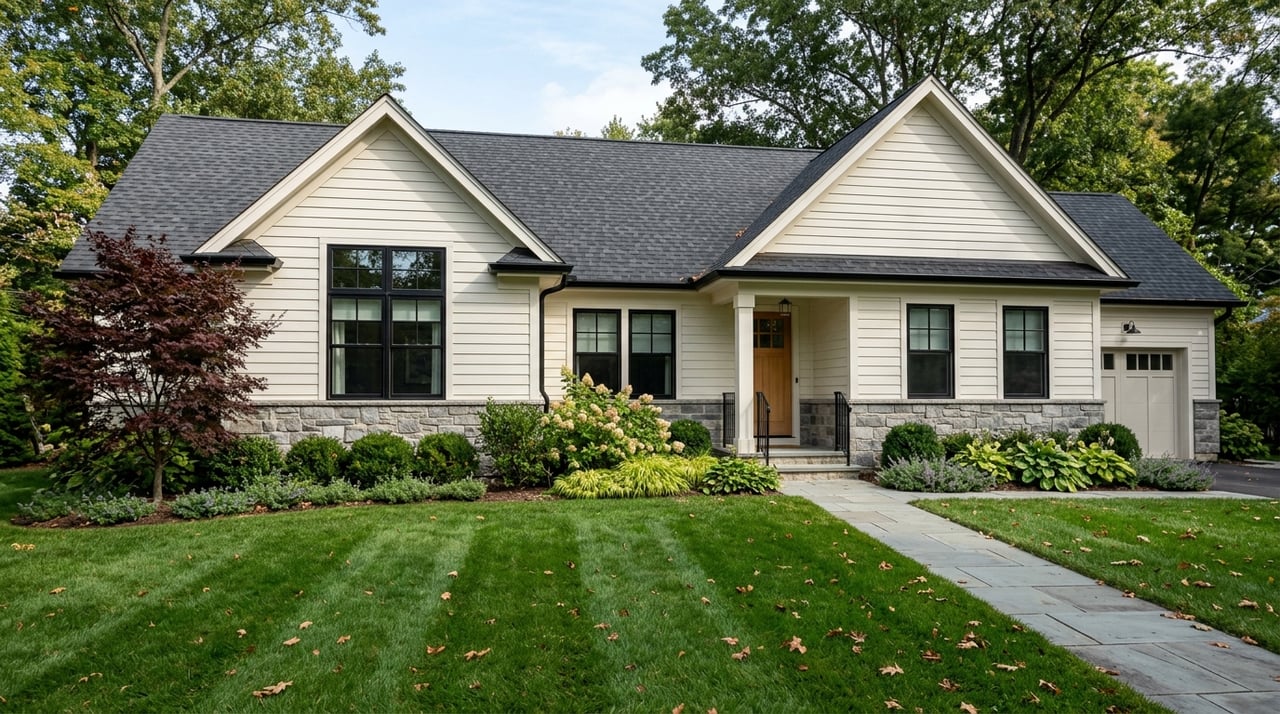
Moving From NYC to Ridgewood: A Smart Buyer's Guide
Thinking about trading your NYC apartment for a house in Ridgewood? You are not alone, and the move can be a smart one if you go in with clear expectations. Ridgewood offers a true suburban setup with a lively downtown, commuter rail access, and more space than most city buyers are used to. If you are planning a move, here is what you should know before you start your search.
One of the biggest mindset shifts for NYC buyers is understanding that Ridgewood is not a small city. It has a busy village center with restaurants, retail, sidewalks, arts programming, parks, and community events, but the overall experience is still suburban. Redfin gives Ridgewood a Walk Score of 42, which means most daily life will not feel as walkable as Manhattan or many Brooklyn neighborhoods.
That matters because your day-to-day routine will likely change. You may enjoy a more active downtown near the center, but outside that core, a car is still part of daily life for many households. If you want a house with more land and privacy, that tradeoff is often part of the package.
For many relocating buyers, commute time is one of the first questions. Ridgewood Station is on NJ TRANSIT’s Main-Bergen County line and offers parking, Wi-Fi, and bike racks or lockers. That gives you a practical rail option, but it is important to think of this as commuter rail, not a subway extension.
Weekday NJ TRANSIT schedules show direct service from Ridgewood to Secaucus Junction, Hoboken, and New York. One early eastbound train leaves at 5:13 a.m. and arrives in New York at 6:07 a.m., which is about a 54-minute ride on that departure. In other words, the commute is workable for many Manhattan professionals, but it still requires planning.
The station lot is municipality-owned, which means parking is managed as local infrastructure. You should not assume the kind of on-demand convenience you may be used to with city transit access. If train parking matters to your routine, make it part of your early relocation planning.
Even if the train ride works well for your schedule, the overall rhythm is different from NYC living. You are working around train times, station parking, and a more structured commute window. For many buyers, the trade is worth it because of the space and housing options Ridgewood can offer.
If you are moving from NYC, budget expectations usually need a reset. Ridgewood is a high-demand Bergen County market with limited inventory and strong competition. Current market snapshots show a tight market by more than one measure.
Redfin reports a median sale price of $1.021 million in March 2026, with homes averaging 49 days on market and many selling about 9% above list price. Realtor.com shows 23 homes for sale, a median list price of $1.70 million, 13 days on market, and a 106% sales-to-list-price ratio. The exact timing can vary by source, but both point to the same reality: you should expect competition.
A tight market leaves less room for delay. If you need to line up a lease end, school timing, and a move from the city, waiting until the last minute can put extra pressure on your search. Having financing, timing, and must-haves sorted out early can make a real difference.
When homes receive multiple offers and sell above list, strong preparation matters. That does not just mean price. It also means knowing your priorities, acting quickly when the right home appears, and understanding which compromises you are actually willing to make.
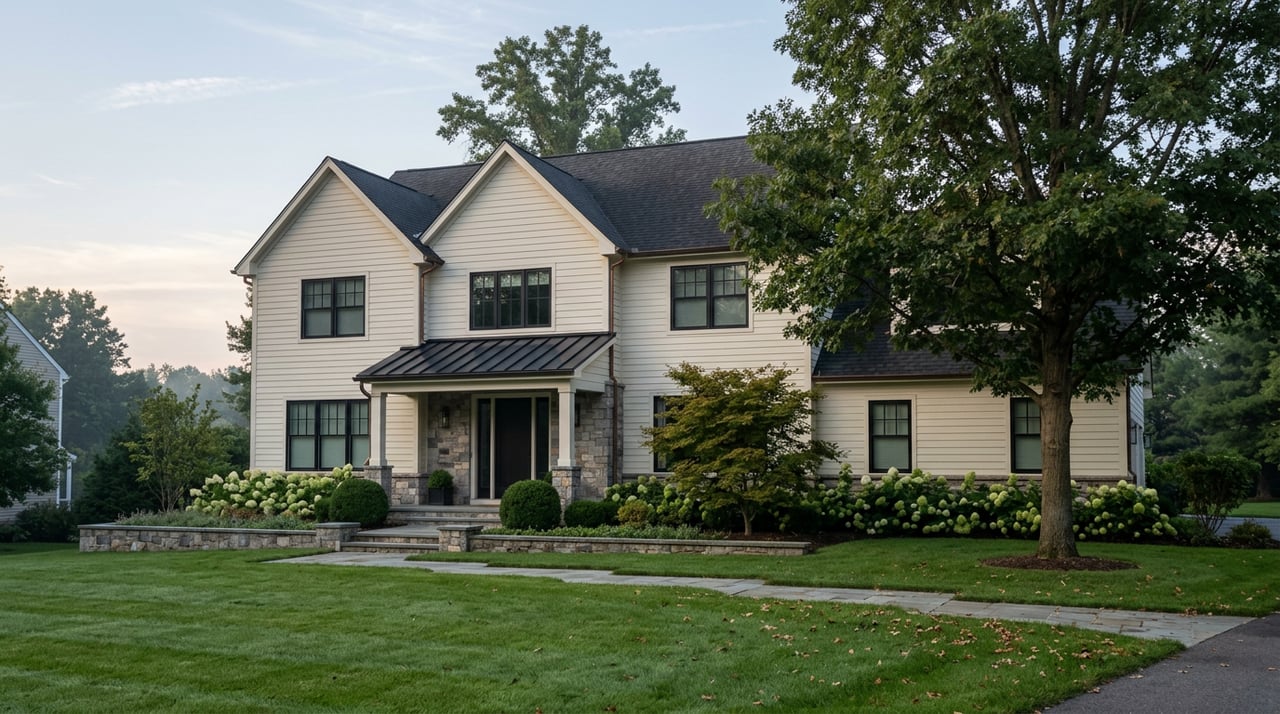
One of the biggest draws for NYC buyers is space. Ridgewood’s zoning is heavily oriented toward detached single-family housing, with several single-family districts listed in the village code. There are also some two-family, garden apartment, and multifamily zones, but most buyers will be shopping for detached houses.
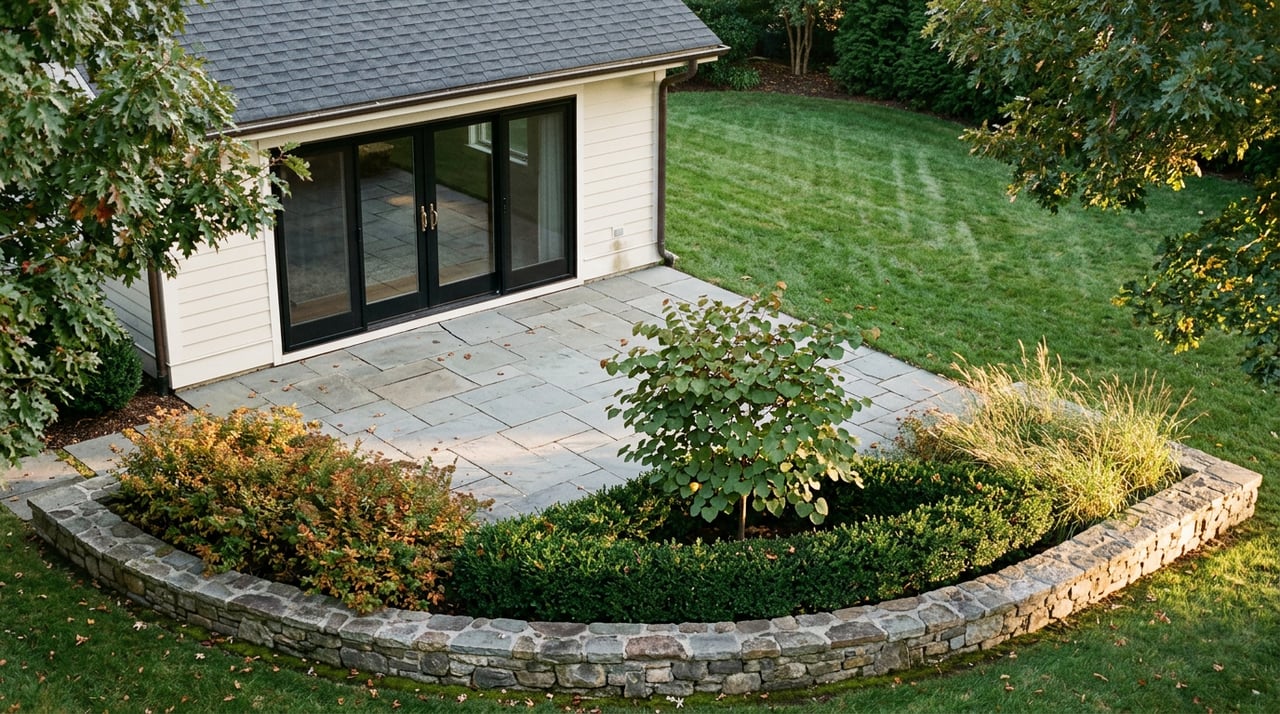
The zoning standards help explain why Ridgewood often feels more spacious and private. Minimum lot sizes include 25,000 square feet in R-1, 14,000 square feet in R-1A, 10,500 square feet in R-2, and 8,400 square feet in R-3. For many city buyers, that translates to more yard space, more setback from neighbors, and a very different sense of scale.
In NYC, buyers often focus on interior efficiency and proximity. In Ridgewood, value can also come from lot size, privacy, driveway space, storage, and how the home fits into a suburban routine. That can be a major upgrade, but it also means you should evaluate homes differently than you would in the city.
If you are moving with children, school logistics deserve early attention. Ridgewood Public Schools serves nearly 5,500 students and uses an address-by-address school-zone lookup to assign schools. The district also notes that placement is not guaranteed and can change based on enrollment and student needs.
That means you should verify the exact address directly before relying on any assumption about school assignment. Ridgewood High School is the district’s high school, but elementary and middle school placement should be checked on an address-specific basis. This is especially important if school timing is one of the reasons you are moving.
The district states that a child must be five years old on or before October 1 for September kindergarten entry. That creates a practical deadline for families trying to coordinate a purchase, move, and school start within one school year. If that applies to you, it is wise to plan farther ahead than you think you need to.
Ridgewood stands out because it offers more than just houses. The village highlights its central business district, arts programming, parks, and events, and the downtown streetscape is designed around sidewalks, on-street parking, and room for dining and shopping. That gives the center a strong community feel and a convenient local hub.
For NYC buyers, this can be a comfortable middle ground. You are not giving up activity and amenities entirely, but you are exchanging constant urban access for a more measured suburban lifestyle. Many relocating buyers find that balance appealing once they understand what the town really offers.
A move from NYC to Ridgewood usually goes best when you treat it like a lifestyle transition, not just a home search. The details that matter most are often the ones buyers overlook at first.
Here are a few smart first steps:
Ridgewood can be an excellent fit if you want more space, a strong village-center feel, and a realistic train option back into New York. The key is knowing what will actually change in your daily life and planning your move with that in mind.
If you are considering a move from NYC to Ridgewood, working with a local team that understands Bergen County inventory, timing, and buyer strategy can help you move with more confidence. For a custom market plan or exclusive property preview, connect with Roi Klipper.
Stay up to date on the latest real estate trends.
Start your journey towards your dream home today! Subscribe now for exclusive access to expert insights, insider tips, and the latest property listings. Don't miss out on the opportunity to make informed real estate decisions. Subscribe to our newsletter now!